When the Morrison family began exploring second citizenship options in early 2023, their primary concern was finding a programme that could accommodate all five family members without excessive complexity or cost multiplication. Their journey to Vanuatu citizenship illustrates how families can navigate the Development Support Programme efficiently while managing both financial and logistical considerations across multiple applicants.
Initial Family Circumstances and Objectives
The Morrisons — a couple in their early forties with three children aged 7, 12, and 15 — operated a successful e-commerce business with clients across multiple continents. Their existing citizenship provided limited visa-free travel options, creating friction in their business operations and family travel plans. After eighteen months of research into various citizenship by investment programmes, they identified Vanuatu as the most practical solution for their specific situation.
Their decision criteria focused on three key factors: processing speed that wouldn’t disrupt the children’s education, total programme costs that remained reasonable when scaled to five applicants, and a jurisdiction with genuine stability and international recognition. The family also valued the absence of physical residency requirements, as their business model depended on location flexibility.
Financial Planning for Multiple Applicants
Understanding the cost structure for family applications proved essential to their planning process. The Vanuatu Development Support Programme offers tiered pricing that becomes more economical as family size increases, rather than simply multiplying individual costs. For a family of five, the government contribution component was significantly lower per person than it would have been for five separate applications.
- Main applicant contribution — the base government fee for the primary applicant
- Spouse inclusion — additional contribution at a reduced rate compared to a separate application
- Dependent children — further additions at the most economical rate within the programme structure
- Due diligence fees — applied per adult applicant and children over certain age thresholds
- Professional service fees — structured to reflect family application complexity rather than simple multiplication
Documentation and Preparation Timeline
The Morrison family initiated their formal application process in March 2023, working with licensed agents who specialised in family applications. The documentation phase required approximately six weeks, as gathering materials for five individuals — each with different document requirements based on age — demanded careful coordination and attention to detail.
- Week 1-2: Initial consultation, programme explanation, and preliminary document checklist provided for all family members
- Week 3-4: Collection of identity documents, birth certificates, marriage certificate, and educational records for older children
- Week 5-6: Obtaining police clearance certificates for both parents, medical examinations for all family members, and notarisation of supporting documents
- Week 7-8: Professional review of complete documentation package, correction of minor discrepancies, and preparation of application forms
- Week 9: Submission of complete family application to Vanuatu Citizenship Commission with all supporting materials
The family found that the most time-consuming aspect involved coordinating medical examinations and police clearances across different jurisdictions, as they had lived in three countries over the previous decade. Their licensed agent provided specific guidance on which authorities to approach and how to ensure documents met Vanuatu’s requirements.
Managing Children’s Documentation Requirements
Dependent children under 18 have simplified documentation requirements compared to adult applicants, but the Morrison family discovered that attention to detail remained crucial. Birth certificates required apostille certification, and the two older children needed school records demonstrating continuous education. The youngest child’s documentation was most straightforward, requiring primarily identity and relationship verification.
Both parents needed to provide written consent for each child’s inclusion in the application, with these consent documents requiring notarisation. For families with separated or divorced parents, this consent requirement becomes more complex and should be addressed early in the planning process.
Processing Experience and Communication
Following submission in late April 2023, the Morrison family entered the processing phase. Their licensed agent maintained regular communication with the Citizenship Commission, providing updates at key milestones. The due diligence process for the two adult applicants proceeded in parallel with the review of the children’s documentation, creating efficiency in the overall timeline.
By mid-June, the family received preliminary approval, indicating that due diligence checks had been completed satisfactorily and the application was progressing to final review stages. This milestone provided the family with confidence to begin making preliminary plans around their new citizenship, though they avoided any irreversible commitments until final approval.
The transparency of the process exceeded our expectations. We always knew where we stood, what was happening with our application, and what to expect next. For a decision this significant involving our entire family, that clarity was invaluable.
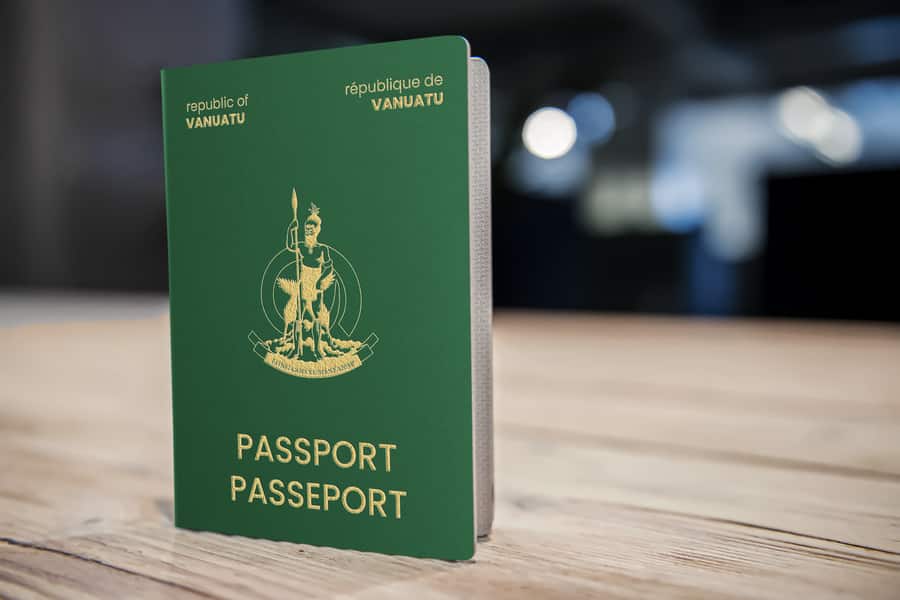
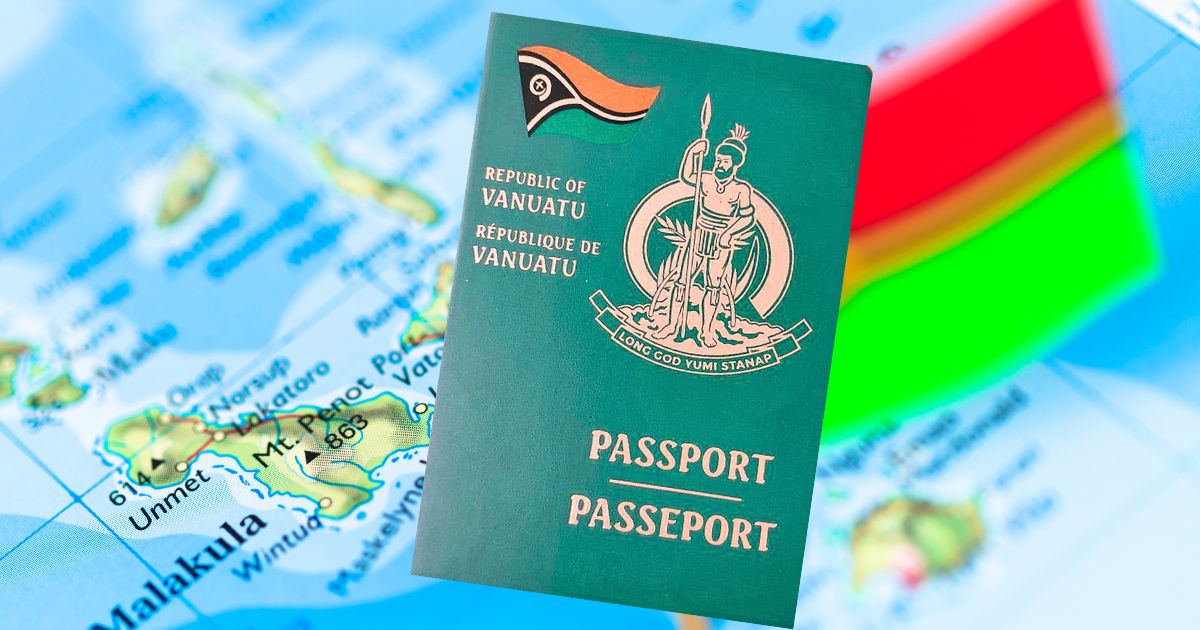
Final approval arrived in early July 2023, approximately ten weeks after initial submission. The family then completed the oath of allegiance — a straightforward process that their agent coordinated — and received their citizenship certificates within days. Passport applications for all five family members were submitted immediately, with documents arriving within three weeks.
Post-Approval Outcomes and Practical Benefits
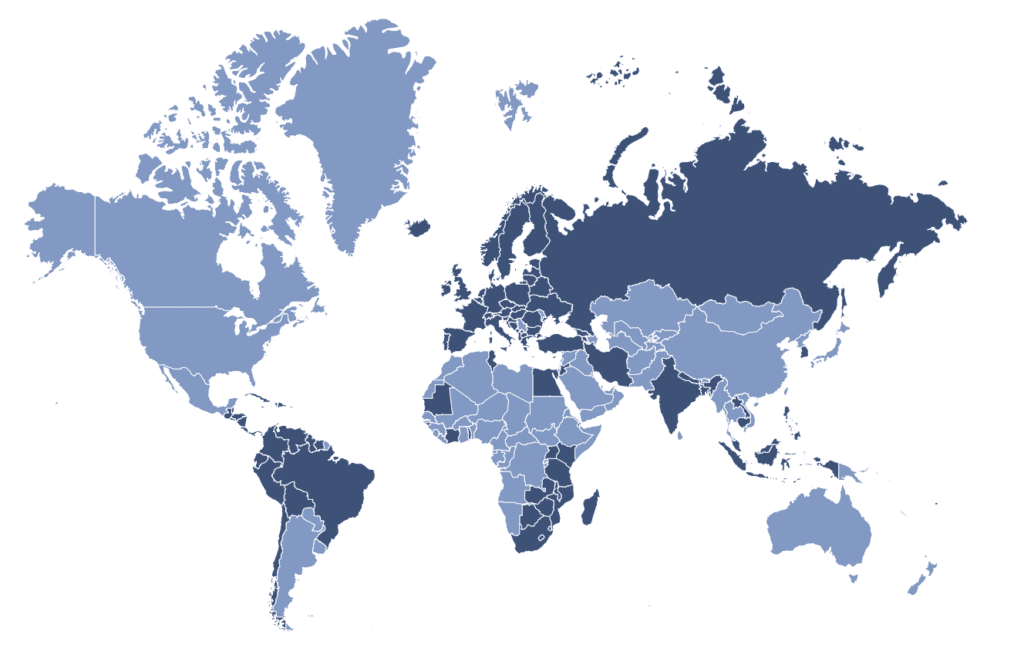
The Morrison family’s new Vanuatu citizenship delivered immediate practical advantages that justified their investment. Within their first six months as citizens, they utilised visa-free access to over 90 destinations, eliminating the previous requirement for visa applications that had often taken weeks and created uncertainty in travel planning.
For their business operations, the enhanced mobility proved transformative. The parents could now attend international conferences, meet with suppliers, and explore new markets without the administrative burden that had previously constrained their activities. The children accompanied them on several business trips that doubled as educational experiences, something that would have been prohibitively complex with their previous travel documents.
Educational and Long-Term Planning Advantages
Beyond immediate travel benefits, the family identified several long-term advantages related to their children’s futures. As Vanuatu citizens, the children now held citizenship in a Commonwealth nation, potentially opening educational pathways that might not have been available otherwise. The family also valued the optionality that second citizenship provided — their children could choose where to study, work, and eventually settle without being constrained by citizenship limitations.
The tax-neutral status of Vanuatu citizenship aligned with the family’s financial planning objectives. With no personal income tax, capital gains tax, or inheritance tax in Vanuatu, they could structure their business and investment activities more efficiently while maintaining full compliance with their country of residence’s tax obligations.
Cost Analysis and Value Assessment
Reviewing their total investment twelve months after approval, the Morrison family calculated that their all-inclusive cost — including government contributions, due diligence fees, professional service fees, and passport issuance for five people — represented approximately 60% of what five individual applications would have cost in programmes with comparable benefits. This economy of scale made the family application structure particularly advantageous.
When compared to alternative citizenship by investment programmes that the family had researched, Vanuatu’s offering provided the optimal balance of speed, cost-effectiveness, and practical benefits for their specific circumstances. Programmes requiring property investment or more substantial financial commitments would have locked up capital that the family preferred to keep liquid for business opportunities.
The absence of ongoing obligations — no residency requirements, no citizenship renewal fees, no mandatory investments to maintain — meant that the family’s cost analysis could focus on the upfront investment rather than calculating long-term financial commitments. This clarity simplified their decision-making process and eliminated concerns about future financial obligations.
Comparing Family Application Structures
The Morrison family’s research into other programmes revealed significant variations in how different jurisdictions structure family applications. Some programmes charge nearly full fees for each family member, while others impose strict limitations on which dependents qualify for inclusion. Vanuatu’s approach — accommodating spouse and dependent children with incremental rather than multiplicative costs — proved more accessible for families seeking citizenship together.
For families considering second citizenship, the Morrison case demonstrates the importance of evaluating total family costs rather than focusing solely on individual applicant fees. The structure of family pricing, the definition of qualifying dependents, and any age limitations for children can dramatically affect the overall investment required.
Lessons and Recommendations for Other Families
Reflecting on their experience, the Morrison family identified several factors that contributed to their smooth application process. Early engagement with licensed professionals provided clarity on requirements and realistic timelines, preventing the false starts and wasted effort that can result from incomplete information. Their decision to gather all documentation before initiating the formal application — rather than submitting partial materials — likely contributed to their efficient processing timeline.
The family also emphasised the value of treating the citizenship application as a family project, with age-appropriate involvement from the children. The older children understood why the family was pursuing second citizenship and participated in discussions about how they might utilise their new travel freedom. This approach transformed what could have been a purely administrative process into an educational experience about global citizenship and international mobility.
For families in similar circumstances — particularly those with business interests requiring international travel or those seeking to provide their children with expanded future options — the Morrison case illustrates how Vanuatu citizenship can deliver practical value that extends well beyond the initial investment. The combination of processing efficiency, cost-effectiveness for families, and genuine utility in daily life created an outcome that met the family’s objectives across multiple dimensions.
Families exploring citizenship options should consider how programme structure, processing timelines, and practical benefits align with their specific circumstances and objectives. Professional guidance from experienced advisors can clarify how different programmes accommodate family applications and which approach offers the best value for your particular situation. To discuss how Vanuatu citizenship might serve your family’s needs, contact our advisory team for a confidential consultation tailored to your circumstances.