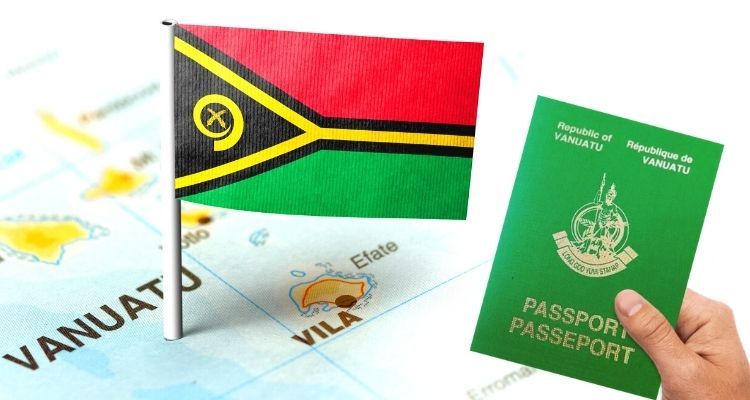
Choosing between Vanuatu and Caribbean citizenship by investment programs requires careful consideration of multiple factors including cost, processing time, visa-free travel benefits, and long-term value. Both regions offer compelling pathways to second citizenship, yet they differ significantly in their requirements, timelines, and strategic advantages. This comprehensive comparison examines the key distinctions to help you determine which option aligns best with your personal and financial objectives.
Investment Requirements and Financial Considerations
The financial commitment represents one of the most critical factors when comparing citizenship programs. Vanuatu’s Development Support Program (DSP) stands out for its straightforward pricing structure, with a single applicant typically investing around $130,000 USD, which includes government fees, due diligence costs, and processing charges. Family applications scale accordingly, with additional costs for dependents that remain competitive within the global citizenship market.
Caribbean citizenship programs present a broader range of investment options across five nations — Antigua and Barbuda, Dominica, Grenada, St. Kitts and Nevis, and St. Lucia. Investment thresholds vary considerably, with Dominica offering the most affordable entry point at approximately $100,000 USD for a single applicant through its Economic Diversification Fund. St. Kitts and Nevis, the longest-running program established in 1984, requires a minimum contribution of $250,000 USD to its Sustainable Growth Fund.
Real Estate Investment Alternatives
Most Caribbean programs provide real estate investment pathways, typically requiring minimum investments between $200,000 and $400,000 USD in government-approved projects. These properties must be held for a specified period, usually three to seven years, before resale. Vanuatu previously offered real estate options but currently focuses exclusively on its DSP contribution model, simplifying the decision-making process and eliminating property management concerns.
Processing Speed and Application Efficiency
Time sensitivity often influences citizenship decisions, particularly for applicants seeking urgent travel flexibility or business opportunities. Vanuatu distinguishes itself with the fastest processing timeline in the citizenship by investment industry, typically completing applications within 30 to 60 days from submission of complete documentation. This accelerated timeframe appeals to entrepreneurs, investors, and families requiring immediate mobility solutions.
Caribbean programs generally require longer processing periods, ranging from three to six months depending on the jurisdiction and application complexity. Antigua and Barbuda processes applications in approximately three to four months, while St. Lucia and Grenada typically require four to six months. These extended timelines reflect more elaborate due diligence procedures and administrative processes inherent to each nation’s regulatory framework.
The efficiency of Vanuatu’s citizenship program transforms what traditionally takes months into a matter of weeks, providing unparalleled speed for time-sensitive applicants without compromising due diligence standards.
Global Mobility and Visa-Free Access
Visa-free travel privileges constitute a primary motivation for obtaining second citizenship. Vanuatu passport holders enjoy visa-free or visa-on-arrival access to approximately 130 countries and territories, including the United Kingdom, Schengen Area nations (for up to 90 days within 180 days), Russia, and Hong Kong. This access facilitates business operations, family visits, and leisure travel across Europe, Asia, and other strategic regions.
Caribbean passports generally provide broader visa-free access, with most programs offering entry to 140-150+ destinations. The specific advantages include:
- Grenada citizenship — unique access to China and the E-2 treaty investor visa pathway to the United States, making it particularly valuable for business professionals targeting American markets
- St. Kitts and Nevis passport — access to approximately 156 countries, including the Schengen Area, UK, and numerous Commonwealth nations
- Antigua and Barbuda citizenship — visa-free travel to roughly 150 destinations with strong Commonwealth connections
- Dominica passport — approximately 140 countries including the UK and Schengen zone, with growing recognition in emerging markets
Strategic Travel Considerations
While Caribbean passports offer numerically superior visa-free access, Vanuatu’s coverage encompasses the most frequently visited business and tourism destinations for many applicants. The practical difference often matters less than the specific countries relevant to your personal travel patterns, business interests, and family connections. Applicants should prioritize programs granting access to their most critical destinations rather than focusing solely on total country counts.
Residency Requirements and Flexibility
Physical residency obligations significantly impact citizenship program practicality, especially for applicants maintaining business operations or family ties elsewhere. Vanuatu imposes no residency requirements before, during, or after citizenship acquisition. Applicants never need to visit the country to obtain or maintain their citizenship status, providing maximum flexibility for global professionals and investors.
Caribbean programs similarly require no pre-citizenship residency, though specific jurisdictions mandate brief visits during the application process or oath ceremony. Antigua and Barbuda requires citizens to spend at least five days in the country during the first five years of citizenship. Other Caribbean nations impose no ongoing residency obligations, matching Vanuatu’s flexibility in this regard.
Tax Implications and Financial Privacy
Taxation structures profoundly affect the long-term value proposition of second citizenship. Vanuatu operates as a tax haven with no personal income tax, capital gains tax, inheritance tax, or wealth tax for citizens. This favorable tax environment attracts high-net-worth individuals seeking to optimize their global tax position, though applicants must carefully consider their home country’s taxation policies and reporting requirements.
Caribbean nations present varied tax landscapes. St. Kitts and Nevis, for example, imposes no personal income tax, capital gains tax, or inheritance tax on citizens, mirroring Vanuatu’s advantages. Dominica similarly offers no capital gains or inheritance taxes, though it does levy income tax on locally-sourced earnings. Grenada, Antigua and Barbuda, and St. Lucia maintain territorial tax systems where citizens pay taxes only on income earned within their borders.
Due Diligence and Application Standards
Both Vanuatu and Caribbean programs conduct thorough background checks to maintain program integrity and international reputation. Caribbean nations, particularly St. Kitts and Nevis, have established rigorous due diligence protocols refined over decades of program operation. These procedures include comprehensive background investigations, financial source verification, and security screenings conducted by specialized international firms.
Vanuatu has significantly strengthened its due diligence processes in recent years, implementing enhanced screening measures and partnering with reputable international agencies. The program maintains strict eligibility criteria, rejecting applicants with criminal records, questionable financial backgrounds, or security concerns. This commitment to quality control ensures program sustainability and passport reputation preservation.
Making Your Decision: Key Factors to Evaluate
Selecting between Vanuatu and Caribbean citizenship ultimately depends on your specific priorities and circumstances. Consider these determining factors:
- Budget constraints — Vanuatu and Dominica offer the most cost-effective options, while St. Kitts and Nevis commands premium pricing for its established reputation
- Timeline urgency — Vanuatu provides unmatched speed for applicants requiring immediate citizenship, while Caribbean programs suit those with flexible timeframes
- Travel destinations — Evaluate which passport grants access to your most frequently visited countries and critical business markets
- Tax optimization — Compare tax structures against your current situation and consult qualified tax advisors regarding implications in your country of residence
- Family inclusion — Assess dependent eligibility criteria and costs for family applications, as these vary significantly between programs
- Long-term goals — Consider whether you seek pure mobility, tax benefits, business opportunities, or a combination of advantages
Both Vanuatu and Caribbean citizenship programs deliver legitimate pathways to second citizenship with distinct advantages. Vanuatu excels in processing speed, simplicity, and cost-effectiveness, making it ideal for applicants prioritizing efficiency and straightforward requirements. Caribbean programs offer broader visa-free access, established reputations spanning decades, and diverse investment options including real estate pathways.
The “better” choice exists only within the context of your individual needs, financial capacity, and strategic objectives. Successful applicants typically engage experienced advisors who understand the nuances of each program and can provide personalized guidance based on comprehensive assessment of your circumstances. If you’re ready to explore which citizenship program aligns with your goals, our team can provide detailed consultation and application support — contact us today to begin your journey toward global mobility and expanded opportunities.